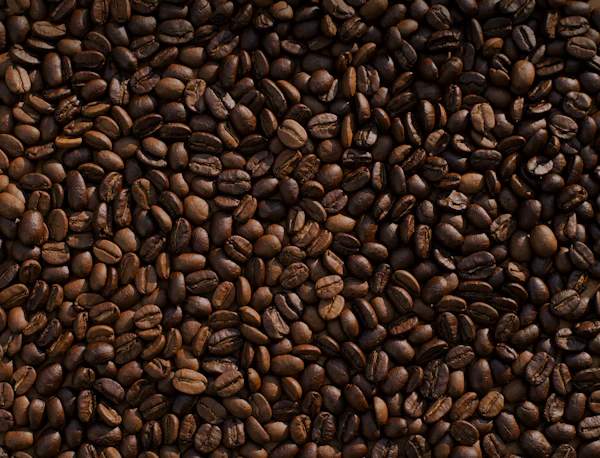
Karnataka: The Heartland of Indian Coffee
The Western Ghats of India form one of the world's eight biodiversity hotspots and at their heart lies the coffee country of Karnataka. The district of Kodagu has been cultivating coffee since the 17th century, when Baba Budan, a Sufi saint, first brought seven coffee seeds from Yemen and planted them in these fertile hills.
Today, Karnataka produces roughly 70% of India's total coffee output. The elevation, the monsoon rains, the rich red laterite soil, and the canopy of shade trees including silver oak, pepper vines, and cardamom all conspire to create a terroir unlike anywhere else on earth.
Kodagu: The Scotland of India
Kodagu's coffee estates cling to hillsides between 1,000 and 1,600 metres above sea level. The cool, misty mornings and warm afternoons produce beans of extraordinary complexity, bright, fruity, and full bodied. The Kodava people have tended these estates for generations, their knowledge of the land passing from parent to child with the same reverence as a family recipe.
On a clear morning, the hills of Kodagu are draped in mist that rolls in from the Arabian Sea overnight. Labourers move through the rows before the sun burns it away, baskets in hand, eyes trained on the branches for the deep red cherries that signal peak ripeness. It is a scene that has played out for centuries and one that Pulpoffe is committed to preserving through direct, fair relationships with the people who make it possible.
Pulpoffe sources directly from small and mid sized Kodagu estates, building relationships that prioritise quality, fair compensation, and sustainable farming practices.
From Cherry to Cup
The journey from highland estate to your morning ritual is a long one. Coffee cherries are hand picked at peak ripeness, a process that demands skill and timing. They are then processed using the wet washed method: pulped within 24 hours, fermented for 36 to 48 hours, washed, and dried on raised beds in the Kodagu sun for up to 15 days.
Every gram of Pulpoffe carries the altitude, the rain, and the hands of the people who made it possible. When you dissolve it in hot water, you are dissolving a piece of Kodagu into your cup.